Cannabis Glossary: Key Terms and Definitions (2026)
This glossary provides clear, detailed definitions of the most important terms used in cannabis discussions, science, law, products, and culture. Understanding these terms helps readers navigate information more effectively and make informed decisions. Definitions are based on current scientific understanding, regulatory usage, and common industry terminology as of 2026.
Basic Cannabis Terms
- Cannabis
- A plant genus that includes varieties used for fiber (hemp), food (seeds), and compounds with psychoactive or therapeutic properties. The most common species used today is Cannabis sativa. Cannabis has been cultivated and used by humans for thousands of years.
- Marijuana
- A common term for cannabis varieties that contain higher levels of THC. In the United States, it is often used to distinguish higher-THC cannabis from hemp (which is legally defined as containing 0.3% THC or less).
- Hemp
- Cannabis that contains 0.3% or less THC by dry weight, as defined by U.S. federal law. Hemp is primarily used for fiber, seeds, and CBD extraction rather than for its psychoactive effects.
- Strain
- A cultivated variety of the cannabis plant that has been selectively bred for specific characteristics such as cannabinoid content, terpene profile, growth patterns, or effects. Traditional labels include Indica, Sativa, and Hybrid, though modern understanding emphasizes chemical profiles (chemovars) over these categories.
- Chemovar
- A classification system for cannabis based on its actual chemical composition — particularly cannabinoid and terpene content — rather than traditional Indica/Sativa labels. This approach is considered more scientifically accurate for predicting effects.
Cannabinoids
- Cannabinoid
- A class of chemical compounds that interact with cannabinoid receptors in the body’s endocannabinoid system. Cannabinoids can be produced by the cannabis plant (phytocannabinoids), by the human body (endocannabinoids), or created synthetically in laboratories.
- THC (Delta-9-Tetrahydrocannabinol)
- The primary psychoactive cannabinoid in cannabis. It binds strongly to CB1 receptors in the brain and is responsible for the characteristic “high” associated with cannabis use. THC has also been studied for potential therapeutic effects such as pain relief and appetite stimulation.
- CBD (Cannabidiol)
- A non-intoxicating cannabinoid that does not produce significant psychoactive effects. It has been studied for potential anti-inflammatory, anti-seizure, and calming properties. One CBD-based medication (Epidiolex) has been approved by the FDA for certain rare forms of epilepsy.
- CBG (Cannabigerol)
- A minor cannabinoid often called the “mother cannabinoid” because other cannabinoids are derived from it during plant growth. Research on CBG is still emerging.
- CBN (Cannabinol)
- A minor cannabinoid that forms as THC degrades over time. It is being studied for possible sleep-related effects, though evidence is still limited.
- THCV (Tetrahydrocannabivarin)
- A minor cannabinoid structurally similar to THC. Research is exploring its potential effects on appetite and metabolism.
- Endocannabinoid System (ECS)
- A biological system found in all mammals that helps regulate mood, sleep, appetite, pain, immune response, and other functions. It consists of endocannabinoids, cannabinoid receptors (primarily CB1 and CB2), and enzymes that break down these compounds.
- CB1 Receptor
- A cannabinoid receptor primarily located in the brain and central nervous system. THC binds strongly to CB1 receptors, which is responsible for its psychoactive effects.
- CB2 Receptor
- A cannabinoid receptor more common in the immune system and peripheral tissues. It is thought to play a role in inflammation and immune response.
Terpenes
- Terpene
- Aromatic organic compounds found in cannabis and many other plants that contribute to scent, flavor, and may influence effects. Common cannabis terpenes include myrcene, limonene, pinene, linalool, and caryophyllene.
- Myrcene
- One of the most abundant terpenes in cannabis. It has an earthy, musky aroma and is often associated with relaxing effects, though scientific evidence in cannabis consumption is still developing.
- Limonene
- A terpene with a bright citrus aroma. It is being studied for potential mood-related effects, primarily in aromatherapy and laboratory research.
- Pinene
- A terpene with a fresh pine-like scent. Research has explored its potential effects on memory and alertness, though evidence in cannabis is still limited.
- Linalool
- A terpene with a floral, lavender-like aroma. It is commonly associated with calming properties in aromatherapy.
- Caryophyllene
- A terpene with a spicy, peppery aroma. It is unique because it can bind to CB2 receptors, similar to some cannabinoids.
- Entourage Effect
- A theory suggesting that cannabinoids and terpenes may work together to produce different or stronger effects than any single compound alone. While popular, current scientific evidence for a consistent and clinically significant entourage effect remains limited.
Products and Consumption Methods
- Flower
- Dried cannabis buds, typically smoked or vaporized. Flower contains the full spectrum of cannabinoids and terpenes present in the plant.
- Concentrate
- A high-potency cannabis extract such as distillate, live resin, rosin, shatter, or hash. Concentrates contain much higher levels of cannabinoids than flower.
- Edible
- A food or beverage infused with cannabis extracts. Edibles have a slower onset (usually 30–120 minutes) and longer duration than inhalation methods.
- Topical
- A cannabis-infused cream, lotion, balm, or patch applied to the skin. Most topicals produce primarily localized effects with little to no psychoactivity.
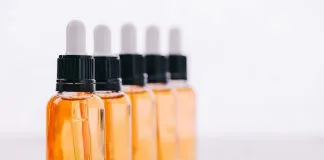
- Tincture
- A liquid cannabis extract, often taken sublingually (under the tongue). Tinctures offer moderate onset time and relatively predictable effects.
- Full-Spectrum
- A product that contains multiple cannabinoids, terpenes, and other compounds from the cannabis plant, including small amounts of THC.
- Broad-Spectrum
- A product that contains multiple cannabinoids and terpenes but has had THC removed or reduced to non-detectable levels.
- Isolate
- A product that contains only a single cannabinoid (usually CBD) in pure, isolated form.
- Certificate of Analysis (COA)
- A lab report from an accredited laboratory showing cannabinoid content, terpene profile, and testing results for contaminants such as pesticides, heavy metals, and microbes.
Legal and Regulatory Terms
- Schedule I
- A federal classification under the Controlled Substances Act indicating substances with a high potential for abuse and no currently accepted medical use. Cannabis remains a Schedule I substance under federal law (with limited exceptions as of 2026).
- Adult-Use / Recreational Cannabis
- Cannabis that is legal for non-medical use by adults (typically 21 and older) in certain states. Also called recreational cannabis.
- Medical Cannabis
- Cannabis used under medical recommendation or certification for therapeutic purposes. Programs vary significantly by state.
- Section 280E
- A provision in the Internal Revenue Code that severely restricts businesses trafficking in Schedule I substances from deducting ordinary and necessary business expenses. This creates a very high effective tax rate for many cannabis companies.
- Multi-State Operator (MSO)
- A cannabis company that operates in multiple states. MSOs are often among the larger publicly traded companies in the industry.
- SAFE Banking Act
- Proposed federal legislation that would provide greater banking access for cannabis-related businesses. As of July 2026, it has not been enacted into law.
Growing and Cultivation Terms
- Photoperiod Strain
- A cannabis strain that requires changes in light cycles (typically 12 hours of darkness) to begin and maintain flowering. These strains give growers more control over the growth cycle.
- Autoflower Strain
- A cannabis strain that begins flowering automatically after a certain period of vegetative growth, regardless of light cycle. Autoflowers are often faster to harvest and can be easier for beginners.
- Landrace Strain
- A traditional cannabis variety that developed naturally in a specific geographic region over a long period with minimal human intervention. True landrace strains are relatively rare in commercial markets today.
- Trichome
- The resin glands on cannabis plants that produce cannabinoids and terpenes. Trichomes are responsible for the frosty appearance of high-quality cannabis flower.
- Harvest
- The process of cutting and collecting mature cannabis plants. Timing of harvest is often determined by examining trichome development.
- Curing
- The process of storing properly dried cannabis in airtight containers for several weeks to improve flavor, smoothness, and overall quality.
Frequently Asked Questions About Cannabis Terminology
What is the difference between a strain and a chemovar?
A strain is a cultivated variety with a specific name. A chemovar refers to classification based on actual chemical composition (cannabinoid and terpene profile). The chemovar approach is generally considered more scientifically accurate for predicting effects.
What does “full-spectrum” mean?
Full-spectrum products contain multiple cannabinoids, terpenes, and other compounds from the cannabis plant, including small amounts of THC. Many people believe the combination of compounds may produce different effects than isolated cannabinoids.
What is a COA?
A Certificate of Analysis is a lab report from an accredited laboratory that shows cannabinoid content, terpene profile, and testing results for contaminants such as pesticides, heavy metals, and microbes.
What does the entourage effect mean?
The entourage effect is a theory that cannabinoids and terpenes may work together to enhance or modify effects. While popular in cannabis discussions, scientific evidence for a consistent and clinically significant entourage effect is still developing.
Related Pillars
- Complete Cannabis Guide – Foundational knowledge
- Cannabinoids – Detailed explanations of major compounds
- Terpenes – Aromatic compound glossary and effects
- Cannabis Laws – Legal and regulatory terminology
- Cannabis Products – Product types and consumption methods
- Cannabis Growing – Cultivation and growing terminology