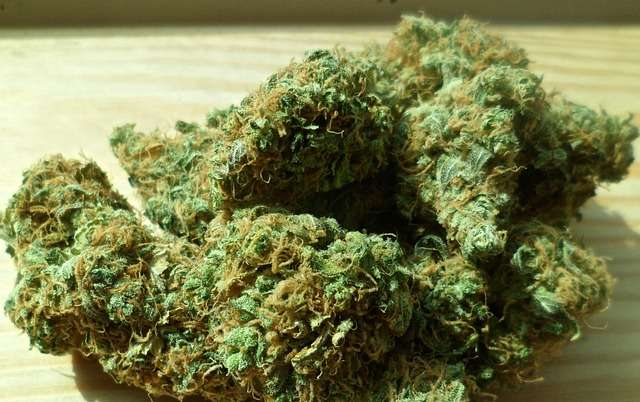
Cannabis is one of the most commonly self-reported complementary tools among adults with ADHD, yet clinical research on the relationship remains limited and the findings are more complicated than social media would suggest.
ADHD and Cannabis: Why People Self-Medicate
ADHD involves dysregulation of dopamine and norepinephrine pathways, particularly in the prefrontal cortex, affecting attention, impulse control, and executive function. The endocannabinoid system interacts with these same pathways, which is one reason researchers and patients have been interested in whether cannabinoids might have a role in ADHD symptom management.
A 2016 study in the Journal of Substance Use and Misuse found that adults with ADHD used cannabis at rates significantly higher than adults without ADHD. A substantial portion reported using it to manage ADHD symptoms specifically. Common reported reasons include calming hyperactivity, improving ability to focus on specific tasks, reducing impulsivity, and improving sleep.
What Clinical Studies Have Found
A small 2017 randomized controlled trial published in the European Neuropsychopharmacology tested a cannabinoid medication (Sativex, a 1:1 THC:CBD formulation) in 30 adults with ADHD. The study found a trend toward improved hyperactivity/impulsivity scores and a significant improvement in cognitive performance on one measure. The sample was small and the findings were preliminary, but it was one of the first controlled trials to examine cannabinoids in ADHD specifically.
A 2020 systematic review in the Journal of Attention Disorders examined available evidence on cannabis and ADHD and concluded that existing studies were insufficient to draw clinical conclusions, but did not find evidence of harm that would justify avoiding further research.
In contrast, other research has found that heavy cannabis use is associated with worse executive function performance, increased inattention, and higher rates of educational and occupational underachievement in adults with ADHD. The direction of effect may depend heavily on frequency and timing of use.
The Dopamine Hypothesis
Some researchers have proposed that ADHD represents a state of hypodopaminergia in the prefrontal cortex, and that cannabis’s effects on dopamine release might temporarily address this deficit. However, cannabis’s relationship with dopamine is complex. Acute THC exposure can increase dopamine release in mesolimbic pathways, but chronic heavy use is associated with blunted dopamine response over time — potentially worsening the underlying neurochemical state that contributes to ADHD symptoms.
Risks Specific to ADHD and Cannabis Combination
Stimulant Medication Interactions
Many adults with ADHD take stimulant medications including amphetamine salts (Adderall) or methylphenidate (Ritalin). The interaction between stimulants and THC is not thoroughly studied. Theoretically, combining cannabis with stimulants could affect cardiovascular parameters (both increase heart rate) and could interact with the dopamine effects of each. Anyone combining cannabis with prescription ADHD medications should discuss this with their prescribing physician.
Cannabis Use Disorder Risk
People with ADHD have elevated rates of substance use disorders generally. Some research suggests that the impulsivity component of ADHD may increase susceptibility to developing problematic patterns of cannabis use. This does not mean everyone with ADHD who uses cannabis will develop a problem, but it is a risk factor worth acknowledging.
Timing and Cognitive Performance
Cannabis, particularly high-THC products, impairs working memory, sustained attention, and processing speed acutely — the same cognitive domains affected by ADHD. Using cannabis and then attempting cognitively demanding work may compound rather than address the functional challenges of ADHD for many users.
Adolescent ADHD and Cannabis: A Separate Concern
The endocannabinoid system plays a critical role in brain development through approximately age 25. For adolescents and young adults with ADHD, cannabis use carries additional risks beyond those faced by older adults. Several longitudinal studies have found that adolescent cannabis use is associated with worse ADHD outcomes, lower educational attainment, and increased risk of anxiety and depression in adulthood — particularly with early-onset, frequent use.
Pediatric neurologists and child psychiatrists are consistent in their guidance: cannabis should not be used as an ADHD management tool by adolescents or young adults whose brains are still maturing.
CBD-Only Approaches
CBD without THC has attracted interest as a potentially lower-risk approach for conditions where THC’s psychoactive and cognitive effects are a concern. However, research on CBD specifically for ADHD is extremely limited, and no clinical evidence currently supports recommending CBD as an ADHD treatment. The relaxation effects some users report from CBD may have indirect benefits on the anxiety often co-occurring with ADHD, but this is speculative without clinical study.
This article presents research findings for informational purposes only. It is not medical advice. Anyone with ADHD considering cannabis should consult a licensed psychiatrist or physician familiar with their history before making any changes to their treatment approach.
Frequently Asked Questions
Can cannabis replace ADHD medication?
No clinical evidence supports cannabis as a replacement for established ADHD treatments like stimulant medications or non-stimulant alternatives. Anyone considering changes to their treatment plan should work with a licensed psychiatrist or physician.
Why do many people with ADHD say cannabis helps them focus?
Self-reported experiences vary widely. Some people with ADHD find certain cannabis products produce a calming effect that subjectively improves their ability to focus on tasks they enjoy. This may relate to anxiety reduction, changes in hyperactivity, or other factors. Subjective reports do not always align with objective cognitive performance measures.