

To purchase CBD, age restrictions generally apply. For most products, including CBD topicals, CBD edibles, and other forms of CBD, one must typically be at least 18 to buy CBD. However, it’s essential to note that specific products, such as those that are marijuana-derived CBD or contain THC, may have different age requirements.
While the benefits of CBD are widely recognized, the age at which individuals can legally access these products varies. In this post, we’ll discuss the legality and the age restrictions regarding CBD products in the states. Understanding the legality and age requirements of CBD is important before purchasing these products.
Is CBD Federally Legal in the U.S.?
Within the United States, the legality of CBD hinges on its source. Hemp-derived CBD, with 0 THC, was federally legalized through the 2018 Farm Bill. However, the legal status of marijuana-derived CBD remains complex due to its association with marijuana, which is still considered a controlled substance under federal law. This differentiation is crucial, as THC is known for its psychoactive effects, whereas CBD is not.
The federal government’s stance has been to allow states to regulate the sale and distribution of CBD products, leading to a patchwork of laws and regulations across the country. As such, while hemp-derived CBD products with 0 THC are federally permissible, marijuana-derived CBD falls under state jurisdiction, where the laws can vary significantly from one state to another.
Age Requirements to Buy CBD Products
CBD companies operate under a variety of regulations that include age restrictions for the purchase of their products. These restrictions are often put in place to ensure the safe use of CBD and to comply with both state and federal laws. Typically, companies require customers to be at least 18 years old to purchase CBD. However, this can vary based on the type of CBD product and the state in which the transaction is taking place.
Age verification processes are commonly implemented by CBD companies to ensure that buyers meet the minimum age requirement. This may involve providing a valid ID at the point of purchase or during online checkout. Such measures help companies maintain legal compliance and promote responsible consumption of CBD products. Professional companies like CBD MD prioritize adherence to legal age restrictions when selling CBD products.
2018 Farm Bill
The 2018 Farm Bill marked a significant shift in the United States’ approach to hemp and its derivatives. This sweeping piece of legislation removed hemp, defined as cannabis with less than 0.3% THC, from the list of controlled substances. This change effectively legalized the cultivation, production, and sale of hemp and hemp-derived products at the federal level, provided they meet the THC threshold.
By distinguishing hemp from marijuana based on THC content, the 2018 Farm Bill opened the door for a burgeoning CBD industry. Products derived from hemp, including CBD oils, tinctures, and edibles, became widely available and accessible to consumers across the country, subject to state regulations.
However, the Farm Bill did not alter the federal government’s stance on marijuana, which remains a controlled substance. This distinction is critical as it underscores the legal differentiation between hemp-derived and marijuana-derived CBD. While the former enjoys a federally legal status under the Farm Bill, the latter’s legality is determined by individual state laws.
Different Age Requirements to Buy CBD in Different States
The landscape surrounding CBD is varied and complex, with age requirements to purchase CBD varying significantly across states. This variance is often due to differing perceptions of the effects of CBD, THC levels in products, and the legal frameworks in place. While some states align with federal regulations allowing the purchase of hemp-derived CBD at 18 years of age, others have stricter laws necessitating purchasers to be 21 or older.
In states with more stringent regulations, the sale of CBD products may be closely tied to medical marijuana programs, with higher THC content products being restricted to those with a qualifying condition. As a result, the criteria to purchase these products can include additional requirements such as a doctor’s recommendation or a medical cannabis card.
States Where One Must Be 18 Years Old
In several states, individuals are legally permitted to buy hemp-derived CBD products at the age of 18. These states include Alabama, California, Florida, Georgia, Montana, New Jersey, Oklahoma, Texas, and Washington. Hemp-derived CBD, which often has low THC content, is available to consumers in these states, provided they meet the 18-to-purchase age requirement.
However, it is important to note that some states such as North Carolina, North Dakota, South Carolina, and South Dakota may have additional stipulations. For example, one might need a doctor’s recommendation to purchase marijuana-derived CBD or to buy hemp-derived CBD with higher THC content. In these states, while it may be possible to purchase hemp-derived CBD at 18, products with higher THC levels could be restricted to those 21 or older.
States Where One Must Be 21 Years Old
- Alaska
- Illinois
- Indiana
- Maine
- Rhode Island
- Tennessee
- Utah
In the states listed above, individuals must be at least 21 years old to purchase hemp-derived CBD products. This higher age requirement aligns with the legal age for purchasing alcohol and, in some cases, reflects the state’s approach to regulating substances with potential psychoactive effects, even if the CBD products contain 0 THC.
States With No Age Restrictions on CBD Sale
- Maryland
- Missouri
- Nebraska
- New Jersey (must be older than 18 to be in a medical marijuana program)
- Texas
- Virginia
- West Virginia
Some states, including those listed above, do not explicitly impose age restrictions on the sale of CBD products derived from hemp. This indicates a more laissez-faire approach to the CBD market and its regulation. However, federal regulations and state and federal laws must be followed regarding CBD products containing trace amounts of THC.
For example, West Virginia does not set a legal age to buy CBD, but consumers should be aware that certain forms of CBD and CBD age restrictions might exist within the context of medical cannabis programs. Consumers should also be cognizant that while there may not be explicit state restrictions for purchasing CBD, federal regulations still apply, and products must conform to the legal standards set by state and federal authorities.
Difference in Age Limits Between Online and Physical Stores
When purchasing CBD products, consumers may encounter different age requirements depending on whether they are buying online or in a physical store. Online vendors often require buyers to confirm their age before completing a purchase, typically setting the minimum age at 18 or 21 to comply with state laws. However, these verifications can be less strict compared to brick-and-mortar stores where identification is physically checked by a store employee.
In physical stores, the enforcement of age limits is generally more rigorous due to direct oversight and potential legal consequences. Employees are trained to ask for identification to confirm the customer’s age, ensuring adherence to state laws. This direct interaction creates a more controlled environment for the sale of CBD, potentially reducing the risk of underage sales.
Average Age for Purchasing CBD
While specific data on the average age of CBD consumers is not comprehensively tracked, anecdotal evidence suggests that the typical buyer is of legal adult age. The majority of users purchasing CBD are seeking it for wellness purposes, such as managing pain, anxiety, or sleep issues, which are more commonly experienced by adults.
Young adults, particularly those in their twenties and thirties, are a significant demographic for CBD products. This age group is often more open to alternative health products and has the disposable income to invest in CBD items like hemp gummies or CBD oil for dogs. Moreover, they are likely to be of legal age, aligning with regulatory requirements.
Is It Legal to Give CBD to Minors?
Laws regarding CBD and its provision to minors vary significantly across different jurisdictions. In general, it is not encouraged to give CBD to minors without a doctor’s recommendation. While CBD is legal under federal law when derived from hemp and containing less than 0.3% THC, the 2018 Farm Bill legalized CBD with strict regulations, especially concerning minors.
Some states have legalized CBD for all ages, but often with stipulations such as requiring parental consent or for it to be prescribed by a physician. This is particularly true for marijuana-based CBD, which can have intoxicating effects, unlike its hemp counterpart. Legal hemp-derived CBD is more readily available, but providing it to minors is still a complex legal matter.
Why Does Age Matter for Buying CBD?
Age restrictions for buying CBD are crucial to comply with federal laws and state regulations. These laws are in place to protect young individuals from accessing substances that could potentially harm their health and well-being. Since CBD is derived from industrial hemp plants, it falls under the regulatory framework that governs age-sensitive products.
Substance Abuse Prevention
Age requirements for purchasing CBD are also a reflection of wider efforts to prevent substance abuse. CBD, though non-intoxicating, is still closely regulated to avoid it becoming a gateway to other controlled substances. By setting age limits, authorities aim to reduce the risk of substance misuse among young people.
Brain Development
Concerns about the impact of substances on brain development are central to the conversation surrounding age restrictions for CBD. As the brain continues to develop well into a person’s mid-20s, introducing chemicals can potentially alter this natural progression, which is why regulators are cautious about underage access to CBD.
Parental Consent
For CBD products that are more medical, such as certain CBD isolates, parental consent may be required when they are to be used by minors. This consent ensures that parents or guardians are involved in the decision-making process regarding health interventions for their children.
Legal Compliance
In the United States, the legal landscape for CBD is complex, and retailers must navigate various laws to buy CBD legally. Age restrictions are one of the many facets of legal compliance that retailers must adhere to, to ensure they do not sell to underage customers.
Public Perception
Age restrictions on CBD sales also influence public perception of the substance. By implementing age limits, the CBD industry is positioned as a responsible sector that takes consumer safety seriously, which can help improve its reputation and foster trust among consumers.
Risks of Using CBD for Minors
For minors, the use of CBD carries potential risks that warrant caution. The long-term effects of CBD on the developing body and brain have not been fully studied, and there may be unforeseen consequences of its use during important developmental stages.
Too Much CBD
One of the concerns with CBD use in minors is the risk of consuming too much CBD, which could lead to adverse effects. While CBD is generally considered safe, it is important to adhere to recommended dosages, particularly for younger individuals whose bodies may react differently to the substance.
THC Content
Another concern when it comes to CBD use among minors is the presence of THC, the psychoactive component found in cannabis plants. CBD products, especially those less regulated, may contain varying levels of THC, including delta 8, which is known for its psychoactive effects.
Negative Drug Interactions
When individuals who are old enough to buy CBD use it alongside certain medications, there’s a risk of negative drug interactions. CBD can affect how the body metabolizes various substances, potentially leading to altered efficacy or side effects of prescription drugs. CBD users must consult healthcare providers before integrating CBD into their regimen, especially if they’re on medication.
Poor Quality CBD Products
The CBD industry’s rapid growth has led to a market saturated with products of varying quality. Poor-quality CBD products may not provide the intended effects and could contain harmful substances. It’s imperative for consumers, especially those new to CBD or of legal age to buy CBD, to seek reputable sources that offer lab-tested products.
Age Limitations for Different CBD Products
Across the United States, CBD age limit requirements for purchasing CBD products vary. While some states align with federal guidelines, setting the minimum age at 18, others may require CBD users to be 21. These legal stipulations take into account the presence of cannabinoids and terpenes, which are intrinsic to hemp oil and other CBD products.
CBD Cigarettes
CBD cigarettes are a form of smokable hemp that contains cannabinoids and terpenes, offering an alternative to traditional tobacco products. Legal restrictions apply to the sale of CBD cigarettes, often mandating that purchasers be at least 18 or 21 years old, depending on state regulations.
CBD Vape
Vaping CBD has become a popular method for consuming cannabinoids, particularly among younger adults. However, to vape CBD, individuals must comply with legal restrictions, typically requiring them to be at least 18 or 21 years old, similar to the regulations for purchasing nicotine-based vape products.
Gummies
While gummies may appear similar to regular candy, they are not intended for children or those below the legal age limit. The concentration of CBD in these gummies can vary, making it essential to follow dosage recommendations. Age restrictions for purchasing CBD gummies typically align with other CBD products, often requiring buyers to be at least 18 or 21 years old.
CBD Oil
CBD oil is a versatile product derived from hemp extracts, containing varying concentrations of CBD. It can be used sublingually, added to food, or applied topically, making it a popular choice among consumers for its ease of use and potential therapeutic benefits. The age requirement to purchase CBD oil typically ranges from 18 to 21 years old, in alignment with other CBD products. Besides that, CBD oil for dogs has separate age requirements according to the age of the pet.
Is CBD Different from THC?
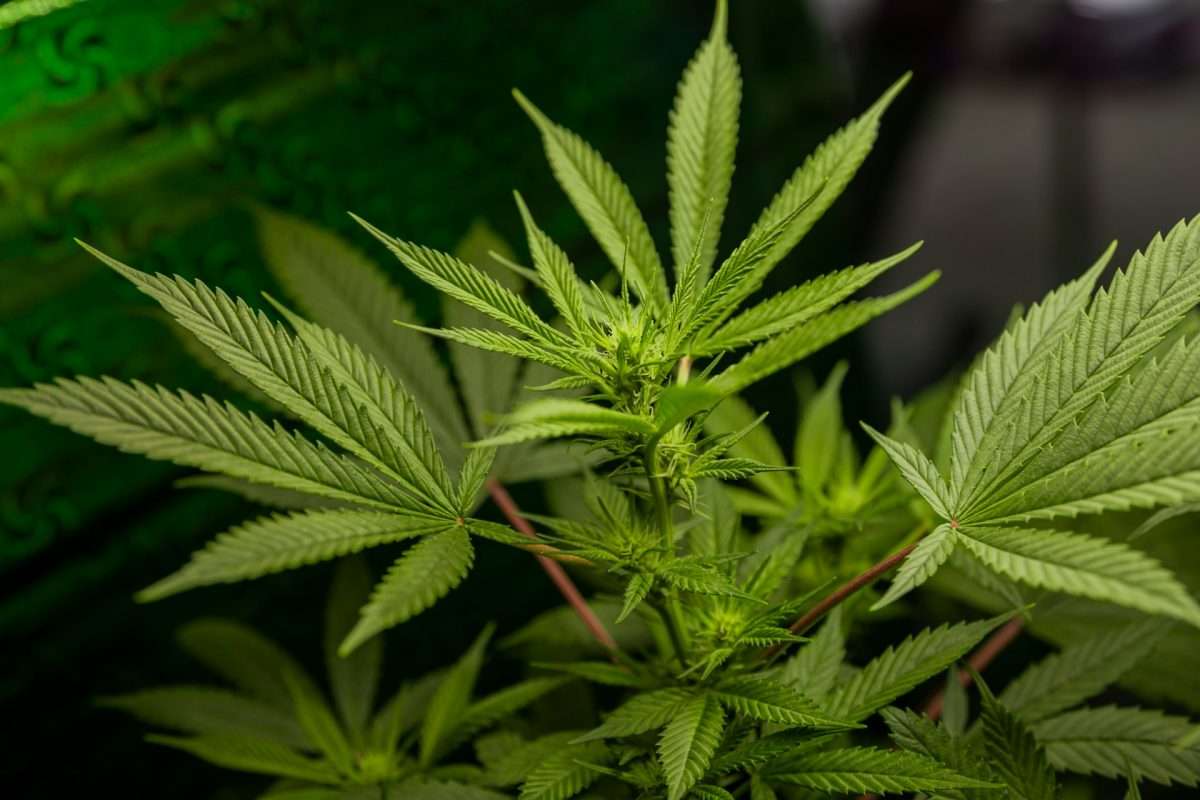
CBD and THC are both compounds found in cannabis plants, but they have distinct differences. CBD, or cannabidiol, is primarily derived from hemp, a variety of cannabis that contains low levels of THC. Under federal guidelines, hemp is legally defined as a cannabis plant with no more than 0.3% THC by dry weight, allowing for the production of pure CBD products.
THC, or tetrahydrocannabinol, is the psychoactive component that causes the ‘high’ associated with marijuana. While both substances interact with the body’s endocannabinoid system, they produce different effects. CBD is non-intoxicating and is often used for its potential therapeutic benefits without the psychoactive effects of THC.
Wrap-Up!
In conclusion, understanding the age requirements and legalities surrounding the purchase of CBD is essential for consumers and retailers alike. The CBD industry, while offering potential treatment options for various conditions, must navigate a complex legal landscape that includes CBD age limit requirements and the responsible sale of products.
As the public becomes more informed about the effects of cannabis, including CBD and THC, regulations and consumer education must continue to evolve. This will ensure that CBD remains a safe and beneficial option for those who are legally permitted to use it.


