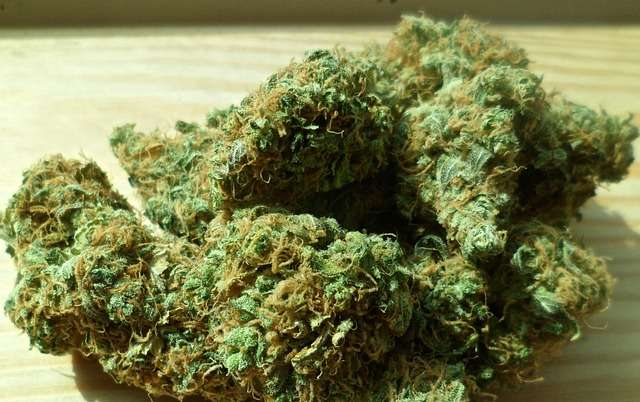
The Drug Enforcement Administration has begun issuing the first federal registrations to state-licensed medical marijuana dispensaries. In a press release dated Oct. 30, 2026, the Justice Department said the agency has registered more than 900 dispensaries in seven states: Alabama, Florida, Mississippi, South Dakota, Texas, Virginia and West Virginia.
It is the first concrete step in putting a federal medical marijuana framework into practice. It does not make marijuana federally legal, and it does not cover recreational sales.
What the DEA announced
According to the Justice Department, the registrations are the first phase of implementing the Attorney General’s April 23 order. That order placed two categories of products in Schedule III of the Controlled Substances Act: FDA-approved drug products containing marijuana, and marijuana products regulated under a qualifying state-issued medical marijuana license.
Attorney General Todd Blanche said in the release that “the American people deserve access to the best medical treatments in the world.” He also said the department will keep prosecuting illegal marijuana trafficking under federal law.
Who qualifies and what registration requires
Registration is not automatic. Based on the Justice Department’s description, a dispensary must:
- Operate under a state medical marijuana program that is consistent with federal law and U.S. treaty obligations.
- Have applied within the initial 60-day period set by the order.
- Complete the DEA’s pre-registration investigation.
- Follow federal rules on security, recordkeeping and inventory controls once registered.
State licensure alone does not confer federal registration. Applications from medical marijuana manufacturers and distributors are still under review, because those require facility inspections, production controls and quota determinations. The DEA says it will keep issuing registrations in phases.
The wider application picture
The Marijuana Herald, in its Oct. 30 daily brief, reported that a separate DEA list covers nearly 7,000 medical marijuana business applications, with Oklahoma having the most, followed by Florida and California. The outlet estimated the agency has collected about $12.3 million in registration fees. Those figures are the Herald’s reporting and estimate, not numbers stated in the Justice Department release.
The same brief noted that medical marijuana businesses with pending applications can keep operating if they establish compliant supply chains by Nov. 29, and that DEA guidance clarifies which businesses may trade with one another. Ganjly has not independently reviewed that guidance, so businesses should read the DEA’s own materials.
What this does not change
The Justice Department release is explicit about the limits:
- The order covers only defined, qualifying medical marijuana activities.
- It does not authorize recreational marijuana or other activities outside its scope.
- Marijuana not covered by the order remains subject to Schedule I controls.
- A broader proposal to move marijuana from Schedule I to Schedule III is being handled in a separate administrative proceeding.
That separate proceeding has been contested. Ganjly has covered the pause tied to a GAO report and the request to reopen the rescheduling hearing. The Marijuana Herald reports that the DEA has asked an administrative law judge to give the GAO report “no weight,” with responses due Nov. 5.
Why it matters for patients and operators
For operators, registration signals that the federal framework is moving from paper to practice. A registered dispensary takes on federal recordkeeping and security obligations that most state-licensed businesses have never faced. Ganjly recently looked at one friction point in that process, how the DEA handles employee felony convictions.
The Washington Post reported on Oct. 30 that the approvals could bring significant tax benefits for medical marijuana businesses. Ganjly was unable to read the full article, so it does not describe the tax mechanics here. Businesses should consult a qualified tax professional rather than rely on headlines.
For patients, the immediate effect is likely limited. State medical programs, patient eligibility and product availability are still set by each state. Federal registration does not change who qualifies for a state medical card. To see how your state’s rules compare, see our guides to state-by-state legalization and where cannabis is legal in 2026.
What happens next
- The DEA is expected to process more dispensary applications in phases.
- Manufacturer and distributor applications remain under review.
- Pending applicants face the reported Nov. 29 supply-chain deadline.
- The separate Schedule III hearing process continues, with filings due Nov. 5 on the GAO report dispute.
Applicant and registrant information is available through a link cited in the Justice Department release. Cannabis laws differ by jurisdiction and change quickly, and this article is not legal or tax advice.
Sources
- U.S. Department of Justice: Justice Department Announces Issuance of Federal Registrations to Medical Marijuana Dispensaries (Oct. 30, 2026)
- U.S. Department of Justice: April 23, 2026 Schedule III order announcement
- The Marijuana Herald: Daily Cannabis News Brief for 10/30/2026
- The Washington Post: DEA approvals could bring big tax benefits for medical marijuana businesses
Tracking the full picture? See Ganjly’s Marijuana Rescheduling Tracker for the complete, updated timeline of the federal rescheduling process.