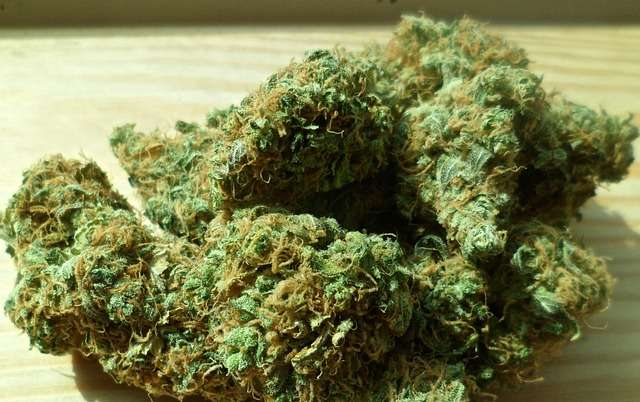
Many teenagers and young adults experiment with cannabis to quiet anxiety. The short-term relief some of them experience is real. So are the long-term risks that the research consistently documents for early and frequent cannabis use during adolescence.
Why the Adolescent Brain Is Different
The endocannabinoid system is one of the earliest neurotransmitter systems to develop in the fetal brain and one of the last to fully mature. The prefrontal cortex, which governs executive function, impulse control, and emotional regulation, continues developing through the mid-twenties. CB1 receptors are particularly dense in the developing prefrontal cortex, amygdala, and hippocampus.
Introducing exogenous cannabinoids (THC from cannabis) during this developmental window disrupts the natural calibration of the endocannabinoid system in ways that do not occur when cannabis is introduced in adulthood. Animal studies show that adolescent THC exposure produces lasting changes in CB1 receptor density and function that are not seen with equivalent adult exposure.
The Anxiety Paradox in Teen Cannabis Use
THC produces anxiolytic (anxiety-reducing) effects in low doses through CB1 receptor activation. For an anxious teenager, a first or second experience with cannabis may genuinely feel relieving. This creates a self-medication dynamic that is reinforced by short-term experience before long-term consequences emerge.
The problem is dose-dependent and frequency-dependent. At higher doses, THC reliably produces or worsens anxiety in both experienced and inexperienced users. Over time, frequent cannabis use is associated with reduced sensitivity in the very receptor systems that produced the initial relief, requiring more cannabis to achieve the same effect and reducing the brain’s own ability to regulate anxiety independently.
A 2014 meta-analysis in JAMA Psychiatry examining 35 longitudinal studies found that early cannabis use was associated with increased odds of developing any anxiety disorder (odds ratio 1.68), depression, and psychosis in adulthood, after controlling for baseline mental health status.
Risk Factors for Problematic Cannabis Use in Teens
Not all teen cannabis experimentation leads to the same outcomes. Research identifies several factors that increase risk:
- Age of first use: Earlier onset is consistently associated with worse long-term outcomes
- Frequency: Daily or near-daily use carries substantially greater risk than occasional use
- Genetic factors: Family history of substance use disorders or anxiety disorders
- Underlying mental health conditions: Teens with pre-existing anxiety or depression are more vulnerable
- Product potency: High-THC products carry greater risk than lower-potency forms
- Concurrent alcohol or other substance use
Cannabis Use Disorder in Adolescents
Cannabis use disorder (CUD) — defined by criteria including tolerance, withdrawal, and use despite negative consequences — develops in approximately 9% of adults who use cannabis but in approximately 17% of those who began using in adolescence. For daily adolescent users, the rate of developing CUD is estimated at 25-50% in some studies.
Withdrawal from cannabis in adolescents who use heavily includes irritability, anxiety, sleep disruption, decreased appetite, and restlessness — symptoms that can persist for weeks and that are often mistaken for underlying mental health conditions by parents and clinicians unfamiliar with adolescent cannabis withdrawal patterns.
What Parents Should Know
Talking about cannabis with teenagers is more effective than prohibition alone, and research-based conversations are more persuasive than scare tactics. Several points the research supports:
- Explain that the feeling of relief cannabis can produce does not mean it is treating the underlying anxiety — it is delaying dealing with it while creating new vulnerabilities
- Be specific about the developing brain argument — teenagers respond better to concrete biological explanations than to “it’s bad for you”
- Discuss the potency of current cannabis products, which are significantly stronger than what earlier generations encountered
- Address the social context — most teen cannabis use happens with peers, and peer influence is a significant driver
- Connect teen anxiety to evidence-based treatment: cognitive behavioral therapy has a strong evidence base for adolescent anxiety and is more effective long-term than self-medication
For Teens Reading This
If you are using cannabis to manage anxiety, you are not alone and the relief you feel is real. Understanding that the relief is temporary, that your brain is genuinely more vulnerable than an adult’s, and that effective anxiety treatment exists does not mean you are broken. It means you are dealing with something real and that there are better tools available.
Cognitive behavioral therapy, particularly exposure-based approaches, has strong evidence for adolescent anxiety. Exercise, sleep, and reducing caffeine also have meaningful effects on anxiety levels. A pediatrician or adolescent therapist can help you build a plan without the tradeoffs cannabis carries at your age.
This article is for educational purposes only. It is not medical advice. Parents concerned about their teenager’s cannabis use should consult a pediatrician or adolescent mental health professional.
Frequently Asked Questions
Is cannabis harmful for all teenagers?
Research consistently shows that adolescent cannabis use, particularly early-onset and frequent use, is associated with increased risk of anxiety disorders, depression, and cannabis use disorder in adulthood. The risk is not uniform and depends on age, frequency, potency, and individual factors. The scientific consensus is that the developing brain is more vulnerable to cannabis’s long-term effects than the adult brain.
At what age does cannabis become safer?
The brain continues developing through approximately age 25. Research suggests that the risks associated with adolescent cannabis use decrease as users get older, but there is no clean “safe age” cutoff. Most cannabis health researchers use 25 as a general threshold after which adult-level risk profiles apply.