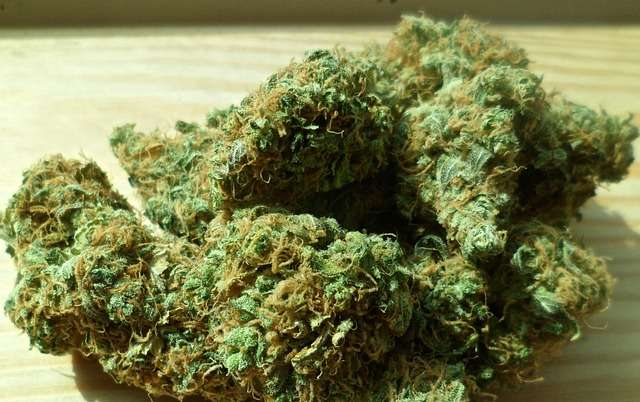
You used to get thoroughly stoned on two hits. Now you need twice as much to feel half as much. Tolerance has caught up with you, and a t-break is the most practical tool in your kit.
Why Cannabis Tolerance Develops
Tolerance to THC is primarily a receptor-level phenomenon. When CB1 receptors are repeatedly activated by THC, the brain responds by reducing receptor density and sensitivity — a process called downregulation or desensitization. The brain is essentially trying to maintain homeostasis in the face of repeated external stimulation.
Research published in Molecular Psychiatry and other neuroscience journals has demonstrated that CB1 receptor density in regular cannabis users is measurably lower than in non-users, particularly in the prefrontal cortex, cingulate cortex, and cerebellum — the regions most associated with cannabis’s psychoactive effects.
The good news is that this process is reversible. CB1 receptors are dynamic structures, and abstinence triggers upregulation back toward baseline.
How Long Does a Tolerance Break Take?
The timeline for tolerance recovery depends on frequency and duration of prior use:
- 48–72 hours: Measurable CB1 receptor recovery begins. Occasional users may notice significant effect restoration at this point
- 1 week: Receptor density increases substantially in most regions. Many moderate users find this sufficient
- 2 weeks: The most commonly recommended minimum for a meaningful t-break. Effects typically return to near-historical levels for moderate users
- 4 weeks: Research suggests CB1 receptor density approaches non-user levels at approximately 28 days of abstinence in heavy users
- Beyond 4 weeks: Additional recovery for very long-term heavy daily users; diminishing returns after 4–6 weeks for most people
Cannabis Withdrawal: What to Expect
Many people who use cannabis daily or near-daily experience withdrawal symptoms when they stop. Cannabis withdrawal is recognized in the DSM-5 and is a real clinical phenomenon, though it is generally milder than withdrawal from alcohol, opioids, or benzodiazepines.
Common withdrawal symptoms in the first week include:
- Irritability and mood changes (most common, peaks at days 2–4)
- Sleep disturbances — difficulty falling asleep, more vivid dreams
- Decreased appetite
- Anxiety and restlessness
- Headaches
- Sweating, particularly at night
Symptoms typically peak in the first 2–3 days and resolve substantially within the first week. Sleep disturbances may persist for 2–4 weeks in heavy long-term users.
Strategies to Make a T-Break Easier
Exercise
Physical exercise is one of the most effective tools for managing withdrawal symptoms. Exercise increases endogenous endocannabinoid production, which may partially compensate for reduced CB1 signaling during the break. Regular aerobic exercise also improves sleep quality and mood, two areas most affected by cannabis withdrawal.
Sleep Hygiene
Cannabis, particularly THC, suppresses REM sleep over time. During a t-break, REM rebounds, causing vivid or disturbing dreams that disrupt sleep quality. This normalizes within 1–2 weeks. Consistent sleep schedule, cool room temperature, and reducing screen time before bed all support sleep during the break.
Dietary Support
Appetite typically drops during the first week of a t-break. This is temporary and not medically concerning for most people. Eating regular small meals, staying hydrated, and focusing on foods you find genuinely appetizing helps bridge this period.
CBD During a T-Break
CBD is non-intoxicating and does not produce tolerance through the same CB1 downregulation pathway as THC. Some people find CBD helpful during a t-break for managing anxiety and sleep disruption. CBD does not restart tolerance to THC and does not appear to block the CB1 receptor recovery process.
How to Reset Tolerance Without a Full Break
For those who cannot or prefer not to stop entirely, tolerance reduction strategies include:
- Dose reduction: Using significantly smaller amounts forces partial receptor recovery while maintaining some use
- Frequency reduction: Switching from daily to weekend-only use allows partial receptor upregulation on weekdays
- Microdosing: Very low doses (2–5mg THC) used infrequently minimize receptor downregulation while providing mild effects
- Cannabinoid switching: Temporarily substituting CBD-dominant or CBG-containing products maintains product use while reducing CB1 activation
After the Break: Reintroducing Cannabis
After a successful tolerance break, sensitivity is restored — which means your old doses will hit significantly harder. Coming back to cannabis with previous quantities and frequencies quickly rebuilds tolerance. Consider:
- Starting with your lowest effective dose
- Using less frequently than before the break
- Taking intentional mini-breaks (2–3 days off per week) to maintain sensitivity
- Tracking your use to notice when tolerance starts building again
Frequently Asked Questions
Does CBD break a tolerance break?
No. CBD does not activate CB1 receptors the same way THC does and does not produce the receptor downregulation responsible for tolerance. Using CBD during a t-break does not restart or delay tolerance recovery.
How do I know when my tolerance has reset?
The most practical indicator is returning to the effect level you experienced with smaller doses historically. Many people test after 2 weeks with a small amount; if effects are significantly stronger than before the break, recovery is progressing well.