Walk into any well-stocked dispensary and you will hear budtenders talking about terpenes. For years this was marketing language. In 2026, the science behind terpene effects is more developed — and more nuanced — than either the industry or its critics have acknowledged.
What Are Terpenes?
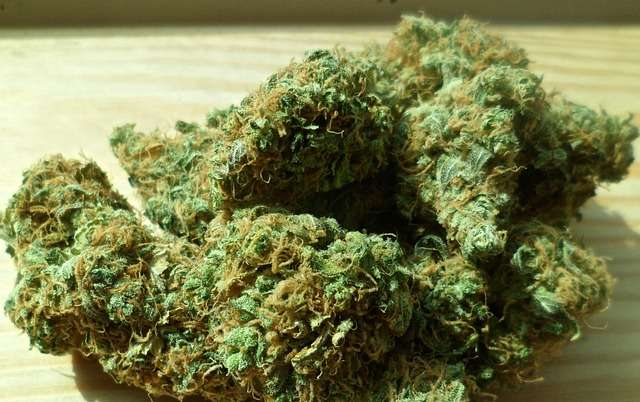
Terpenes are a large class of naturally occurring organic compounds produced by plants, insects, and some animals. Cannabis trichomes — the crystalline glands visible on the flower — produce both cannabinoids and terpenes. More than 150 distinct terpenes have been identified in cannabis across different strains.
Terpenes are responsible for the distinctive smells associated with different cannabis varieties: piney, citrusy, earthy, floral, skunky, diesel. They are also present in lavender, citrus fruit, pine trees, black pepper, hops, and countless other plants. The terpenes in cannabis are identical molecules to those found in other plants — myrcene in mangoes, linalool in lavender, caryophyllene in black pepper.
The Entourage Effect Hypothesis
The entourage effect, proposed by researchers Raphael Mechoulam and Shimon Ben-Shabat in 1998, suggests that cannabinoids and terpenes work together synergistically to produce effects that neither class of compounds produces alone. In the cannabis context, this would mean that the same amount of THC produces different subjective effects depending on which terpenes are present.
Evidence for the entourage effect has grown but remains incomplete. In vitro (laboratory) studies have documented terpenes modulating cannabinoid receptor activity, GABA-A receptor function, and serotonin transporter activity. A 2011 British Journal of Pharmacology review by Russo examined available evidence and made a case for clinical significance of cannabinoid-terpene synergy. However, well-controlled human trials specifically measuring terpene contributions to cannabis effects remain limited as of 2026.
The Major Cannabis Terpenes and What Research Shows
Myrcene
Myrcene is typically the most abundant terpene in cannabis. It has an earthy, musky, herbal aroma and is also found in mangoes, hops, and thyme. Animal studies have shown myrcene produces sedative and muscle relaxant effects at high doses. It is hypothesized to enhance cannabinoid absorption. Strains high in myrcene are often associated with body-heavy, sedating effects, which is the basis for the claim that eating a mango before cannabis can increase effects.
Limonene
Limonene is the primary terpene in citrus peels and has a bright, citrusy aroma in cannabis. It is widely used in household products for its scent. Limonene has demonstrated anti-anxiety effects in animal models and some early human studies. Several in vitro studies have shown anti-tumor activity, though these findings do not translate to human cancer treatment. In cannabis, limonene is associated with uplifting, mood-enhancing effects in consumer reports.
Linalool
Linalool is the dominant terpene in lavender and is associated with floral, slightly spicy aromas in cannabis. Lavender aromatherapy research supports linalool’s anxiolytic (anti-anxiety) properties, with some human study support. Linalool has shown anticonvulsant activity in animal models. Cannabis strains high in linalool are associated with calming, relaxing effects in consumer reports.
Alpha-Pinene and Beta-Pinene
Pinene gives pine trees their characteristic aroma and is present in many cannabis varieties. Pinene is an acetylcholinesterase inhibitor — it blocks the enzyme that breaks down acetylcholine, the neurotransmitter involved in memory and cognition. Russo’s entourage effect review proposes that pinene may counteract some of THC’s short-term memory impairment, which has generated research interest. Anti-inflammatory properties have been documented in animal and cell studies.
Beta-Caryophyllene
Caryophyllene is unique among cannabis terpenes in that it acts as a selective agonist at CB2 receptors — which means it is technically a cannabinoid-like compound in addition to a terpene. It is also found in black pepper, cloves, and cinnamon. CB2 receptor activity is associated with anti-inflammatory effects. This is the most pharmacologically studied cannabis terpene and has the most direct evidence for clinical activity. Biting into a peppercorn contains enough caryophyllene to activate CB2 receptors.
Terpinolene
Terpinolene has a complex aroma described as piney, floral, and herbaceous. It is less common than other major terpenes in cannabis but is the dominant terpene in some well-known strains including Jack Herer. Research on terpinolene is more limited, with some evidence of sedative and antioxidant activity in animal models.
Reading Terpene Profiles at the Dispensary
Most licensed dispensaries in mature legal markets now provide terpene lab results alongside cannabinoid percentages. These profiles show which terpenes are present and at what concentrations (usually in mg/g or percentage).
Practically speaking, terpene content matters most at concentrations above 0.5% in the total product. Products with a diverse terpene profile (multiple terpenes at meaningful concentrations) are hypothetically more likely to produce the entourage effects researchers have theorized. Terpene-stripped distillate products — which are increasingly common for their consistency — lack this profile, which is why some consumers seek out live resin, rosin, and full-spectrum products.
Frequently Asked Questions
Are terpenes psychoactive?
Terpenes are not psychoactive in the way cannabinoids are — they do not bind directly to CB1 receptors to produce a high. They are bioactive, meaning they have documented physiological effects (caryophyllene activates CB2, linalool affects GABA-A receptors). The potential for terpenes to modulate the cannabis experience is real but distinct from cannabinoid psychoactivity.
Should I choose cannabis based on terpene profile instead of indica/sativa?
Terpene profiles provide more scientifically grounded guidance than the indica/sativa classification, which is increasingly recognized as an unreliable predictor of effects. However, individual variation in how people respond to specific terpenes is significant. Tracking which products and which terpene profiles work best for you produces more useful personal data than either classification system.