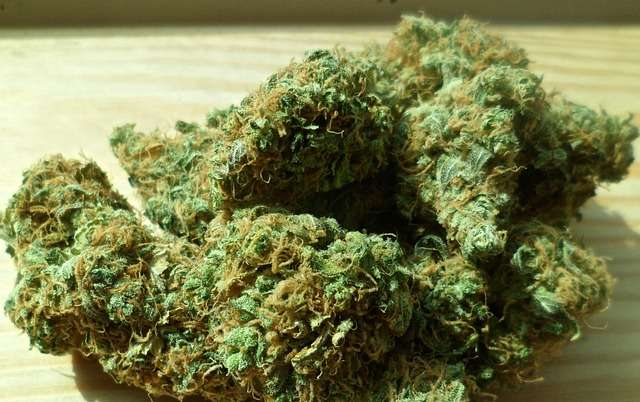
Cannabis left in a plastic bag on a sunny windowsill for two weeks becomes harsh, dry, and significantly less potent. Cannabis stored correctly in a glass jar at stable humidity and temperature stays fresh, aromatic, and effective for months. The science behind storage is straightforward.
What Degrades Cannabis Over Time
Cannabis quality deteriorates through four primary mechanisms, each of which storage conditions can address:
- Oxidation: Exposure to oxygen converts cannabinoids over time. THC slowly degrades to CBN (cannabinol), which has different effects from THC
- UV light: Ultraviolet radiation directly degrades cannabinoids and terpenes. UV is the single fastest degradation pathway — direct sunlight can degrade significant cannabinoid content in just a few days
- Heat: Temperatures above 77°F (25°C) accelerate terpene evaporation and cannabinoid degradation. Heat also promotes mold growth when humidity is also elevated
- Humidity extremes: Too dry (below 55% RH) causes terpene loss, brittle trichomes, and harsh smoke. Too humid (above 65% RH) creates risk of mold and mildew
The Ideal Humidity Range: 55–65% RH
Cannabis flower is optimally stored between 55% and 65% relative humidity. Most experienced cannabis consumers target 58–62% as a practical sweet spot. This range keeps trichomes intact and flexible (not brittle from dryness), prevents mold (which typically requires above 65% RH to develop), and preserves terpene content.
Humidity control packs (commonly sold under the Boveda brand, though other manufacturers produce similar products) are the most practical way to maintain stable RH in a sealed container. They work bidirectionally — absorbing excess moisture and releasing moisture when conditions drop below target. Boveda packs are available in 58% and 62% RH variants for cannabis storage.
A small digital hygrometer placed inside your storage container gives accurate real-time humidity readings and is inexpensive.
Container Choice: Glass vs. Plastic vs. Mylar
Glass (Best)
Airtight glass jars are the gold standard for cannabis storage. Glass is non-porous, does not absorb or impart odors, creates a reliable seal, and does not generate static that can strip trichomes from flower. Mason jars and canning jars work well. Dark-tinted glass provides additional UV protection. Wide-mouth jars are practical for loading and unloading.
Plastic (Acceptable Short-Term, Not Ideal)
Standard zip-lock bags allow oxygen exchange and generate static electricity that can damage trichomes. For storage beyond a day or two, plastic bags are not ideal. Dispensary exit packaging is designed for transport, not long-term storage. Hard plastic containers (like the pop-top dispensary vials) are better than bags but still inferior to glass for extended storage.
Mylar Bags (Good for Longer-Term)
Thick mylar bags with heat-sealed closures are used commercially for long-term storage because they are light-resistant and oxygen-impermeable when sealed properly. They are practical for storing larger quantities intended for long-term preservation. The limitation is that they cannot be resealed reliably once opened without heat-sealing equipment.
Temperature: 60–70°F Is the Target
Room temperature in a cool, climate-controlled indoor space is appropriate for cannabis storage. The key is consistency — temperature fluctuations cause condensation inside storage containers, which introduces moisture and can promote mold. A consistent 65°F is better than an average of 65°F with swings to 80°F and 50°F.
Avoid storing cannabis near electronics that generate heat, on top of refrigerators, near stoves or ovens, or in areas that experience temperature swings (like a garage or attic). A dark interior cabinet or closet in a climate-controlled room works well.
Light: UV Is the Enemy
A 2019 study in the Journal of Pharmacy and Pharmacology documented that light (particularly UV exposure) was the single greatest factor in cannabinoid degradation across a range of storage conditions tested. Light exposure caused greater cannabinoid loss than heat or humidity deviation over the testing period.
Store cannabis in a dark location. Dark-tinted glass containers provide UV protection. Opaque containers of any material protect against light degradation. Clear glass jars should be kept inside a cabinet or drawer, not on an open shelf.
Should You Freeze Cannabis?
Freezing is debated among cannabis consumers and cultivators. Arguments for freezing: it halts all degradation processes, making it effective for very long-term storage of 12+ months. Arguments against: freezing makes trichomes extremely brittle, and repeated freeze-thaw cycles cause significant trichome damage and loss. Condensation during thawing introduces moisture.
If you freeze cannabis, freeze it once, in an airtight container with a humidity pack, and allow it to reach room temperature fully (in the sealed container) before opening. Never freeze and thaw repeatedly. For storage of six months or less, a cool dark location at optimal RH is preferable to freezing.
How Long Does Cannabis Stay Potent?
Research on cannabis degradation rates under various conditions suggests:
- Properly stored flower: 6–12 months at near-original potency
- Stored at room temperature without humidity control: noticeable quality loss within 3–6 months
- Concentrated products (shatter, rosin): often more stable than flower due to lower water activity; can store well for 6–12 months when sealed and away from light and heat
- Edibles: Follow the product expiration date; sugar and fat degradation typically limits edible shelf life to 3–6 months
- Tinctures: Often 1–2 years when stored away from light
Frequently Asked Questions
Can I store cannabis in the refrigerator?
The refrigerator introduces condensation and humidity fluctuations each time it is opened. The cold temperature is not necessary for short-to-medium term storage and the humidity management challenges make a cool, dark cabinet preferable for storage up to 12 months. Long-term archival storage (12+ months) benefits more from a freezer than a refrigerator.
How can I tell if cannabis has gone bad?
Signs of degradation include: visible mold (white or grey fuzzy growth), a musty or ammonia smell (distinct from cannabis aroma), excessive dryness and dusty trichomes, loss of aroma (terpene loss), and very harsh smoke or vapor. Cannabis that passes the smell test and shows no mold is generally still usable, though it may be less potent than fresh product.