Missouri’s regulated cannabis market is meeting consumer demand and does not appear to need a wave of new dispensary licenses, according to a state-commissioned study released in October 2026. But the same report says it cannot answer a question that matters to regulators and lawsuits alike: who actually owns the businesses.
The Missouri Cannabis Market Study: Phase 1 Report was prepared by Cannabis Public Policy Consulting for the Missouri Department of Health and Senior Services, Division of Cannabis Regulation (DCR). Here is what it found, what it could not measure, and what may come next.
What the Missouri cannabis market study found
- Licensed stores dominate. Licensed dispensaries and delivery capture about 93% of reported past-month cannabis spending, and regulated dispensaries account for more than 90% of spending in every congressional district.
- Sales are growing, but per-store sales are steady. As reported by the Missouri Independent, annual dispensary sales rose from about $1.30 billion in 2023 to $1.51 billion in 2025, while active dispensary licenses increased from 201 to 220 over the same period.
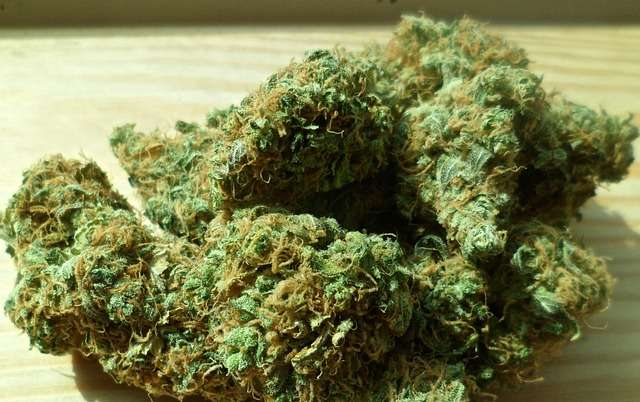
- Flower leads spending. Consumers spend roughly half of their monthly cannabis budgets on flower (about $80.88 of an average $161.81 per month), followed by vapes and edibles.
- Price drives choices. Price was the most commonly cited factor in where people buy. People who buy from unlicensed sources most often cite lower prices.
The report concludes that the regulated market is “effectively meeting demand” and has “successfully transitioned into a mature, competitive marketplace,” as quoted in the Missouri Independent’s coverage.
How the survey was done
The survey component was fielded from March 16 to April 3, 2026, and drew on 1,200 past-month cannabis users. After cleaning, the analysis sample was 1,033 people, including 208 registered medical patients, with a margin of sampling error of plus or minus 2.8%. The researchers also used 35 months of state track-and-trace data and licensing information. According to the report, licensed sales in the survey matched track-and-trace data for the sampled month, which supports its reliability.
The big gap: ownership data
The study measured how sales are distributed across licensed facilities. It could not measure who owns those facilities, because researchers lacked usable ownership data. The report says its concentration results “should not be interpreted as evidence regarding the concentration or diversity of market ownership.”
That distinction matters. Missouri caps any single owner at 10% of statewide licenses in a facility type, but the report says it cannot verify how that works in practice, including where common owners or vertically integrated companies overlap.
The question is not purely academic. The Missouri Independent notes that at least two lawsuits filed earlier this year allege that some cannabis companies violated Missouri’s antitrust laws. Those are allegations, and this study does not address them.
What regulators say they will do
DCR Director Amy Moore acknowledged that the study “did not include all factors related to market evaluations, such as ownership data,” and said the division intends to include that information in future analyses.
Proposed rules filed earlier in October would require every licensee to submit an annual report listing the ownership percentage of each entity or individual. DCR spokeswoman Lisa Cox said those reports would be subject to the same confidentiality analysis as other licensee information under state law. The report itself notes that ownership and confidentiality data may face legal limits on outside use. Proposed rules are not final until they complete Missouri’s rulemaking process.
Policy recommendations in the report
- Add de-identified ownership data to market monitoring.
- Consider removing congressional-district license allocation requirements, which the report says would require a constitutional change and may not be feasible soon. Alternatives range from keeping the current structure to adding licenses only in certain districts or statewide.
- Keep monitoring alternative cannabinoids without prioritizing new regulation now, except for CBD and THCA.
- Research informal redistribution and secondary markets.
- Consider incentives such as grants or expedited permitting to encourage facilities in underserved communities.
Why it matters
For consumers, the findings suggest that most Missouri cannabis spending already flows through licensed shops, and that price remains the main pull of the unlicensed market. For license applicants and investors, the report signals that regulators see no data-based case for a large near-term expansion of dispensary licenses, though the question of additional licenses remains open to policy choices. For policy watchers, the missing ownership data is the story within the story: until it is collected and analyzed, claims about market concentration, in either direction, cannot be tested with this report.
Missouri’s constitution requires at least 24 dispensary licenses in each of the eight congressional districts and allows more to meet demand, and the state expects 144 microbusiness licenses intended to benefit disadvantaged business owners. Counts differ by source and date: the study’s 220 active dispensary licenses and the 222 comprehensive dispensary facilities listed as of July 22, 2026 are different measures.
What happens next
Watch for the final version of the ownership-reporting rule, any decision on how confidential those reports will be, and whether DCR commissions further phases of market analysis. Moore said the division will keep monitoring the market and reassess when another study would be useful.
For background on state rules, see our guides to cannabis laws in Missouri, dispensaries in Missouri, cannabis tax rates by state, and state-by-state legalization.
Sources
- Missouri Cannabis Market Study: Phase 1 Report (Missouri DHSS, October 2026)
- Missouri Independent, Oct. 20, 2026
- Marijuana Moment, Oct. 24, 2026